Key Takeaway
Home health aide on Long Island owed pay? The 2026 home care minimum wage, the 13-hour rule for 24-hour shifts, overtime, and the state and federal complaint.
This article is part of our ongoing employment law coverage, with 89 published articles analyzing employment law issues across New York State. Attorney Jason Tenenbaum brings 24+ years of hands-on experience to this analysis, drawing from his work on more than 1,000 appeals, over 100,000 no-fault cases, and recovery of over $100 million for clients throughout Nassau County, Suffolk County, Queens, Brooklyn, Manhattan, and the Bronx. For personalized legal advice about how these principles apply to your specific situation, contact our Long Island office at (516) 750-0595 for a free consultation.
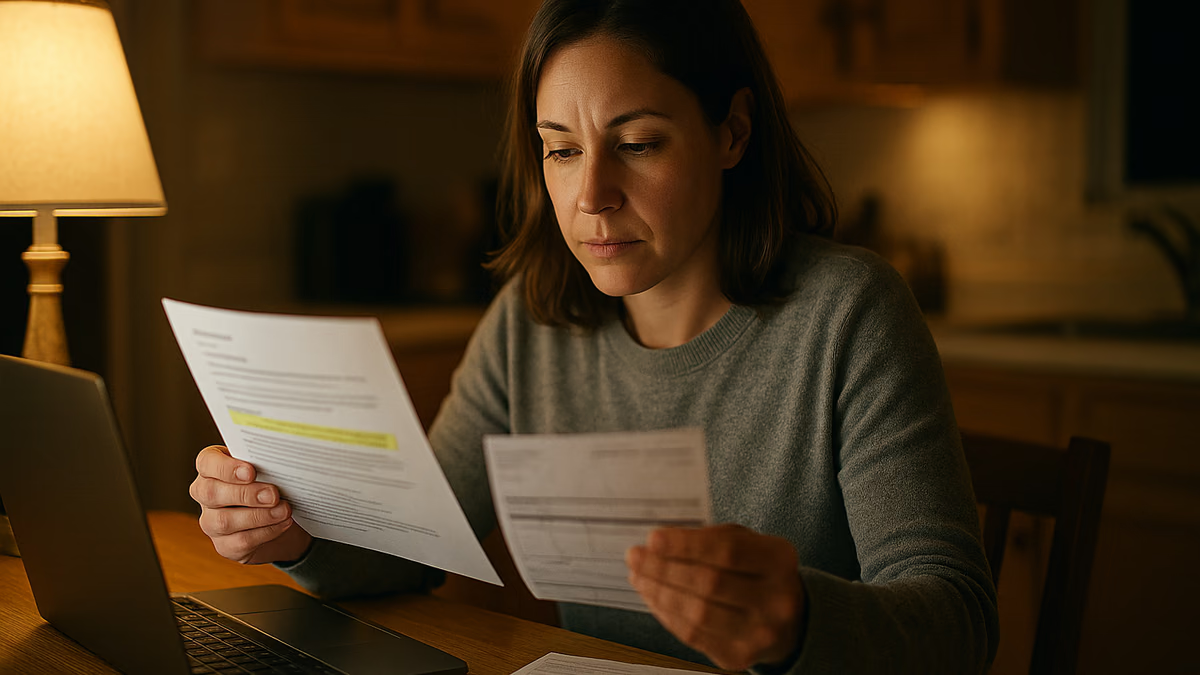
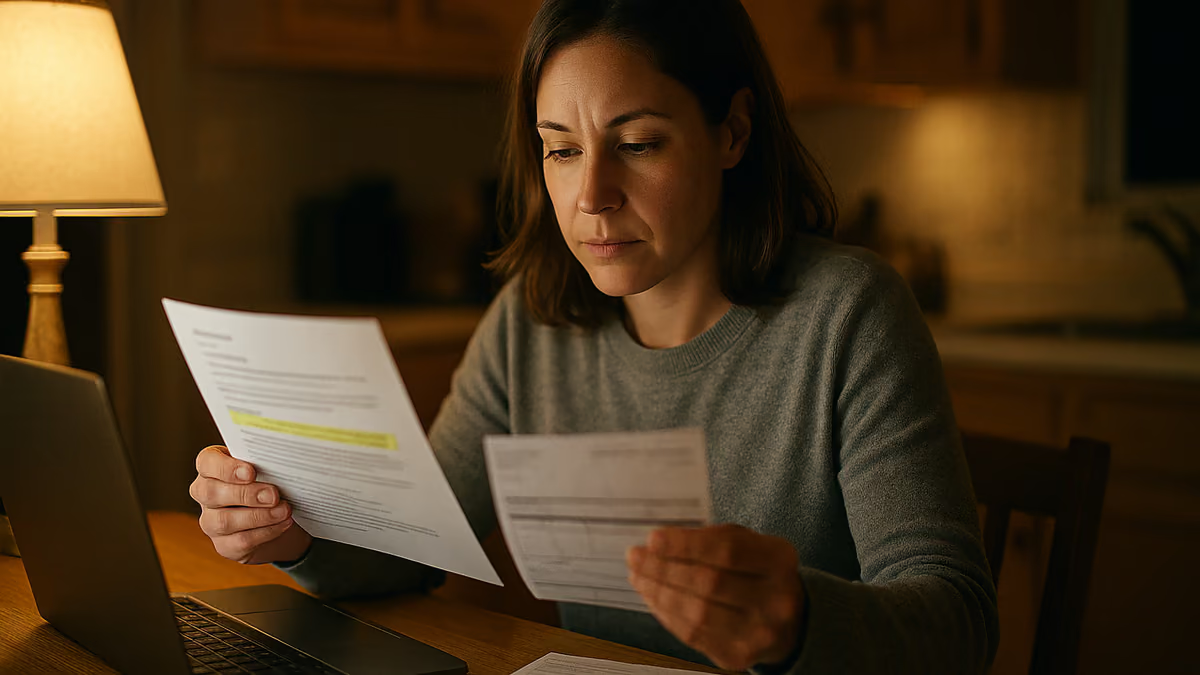
Take a hypothetical. A home health aide who lives in Bay Shore works for a Suffolk agency on 24-hour live-in shifts, four a week, with an older client in Smithtown. The client wakes several times a night. The pay stub shows 13 hours for each shift, 52 hours a week, all at the same hourly rate. On other weeks the agency sends the aide to two clients a day and pays nothing for the drive between them. The aide has never complained, out of worry about losing the assignment.
Is that legal? Not all of it. This is general information, not advice about any one claim. Our Long Island wage and hour lawyer page covers how these claims are brought.
The short version
A home care aide working in Nassau or Suffolk must be paid at least $19.65 an hour in 2026 under Public Health Law § 3614-f, and the Department of Labor lists $20.00 from January 1, 2027. A home care agency must pay overtime at one and one-half times the regular rate; since 2015 the federal companionship and live-in exemptions do not cover agencies. On a 24-hour live-in shift, New York lets the agency pay 13 hours only if the aide actually gets the prescribed sleep and meal breaks. If the government is already investigating your agency, file with it first: it costs nothing. A state wage claim pauses the six-year lawsuit clock; a federal complaint does not stop the federal two-year clock, and a federal suit by the Secretary of Labor ends your own federal claim for the same unpaid wages. Firing or threatening you for complaining is a separate violation.
What the records show about home care pay on Long Island
On October 8, 2026, Newsday published an analysis of state and federal labor investigations. From 2017 to 2025, it found, 66 Long Island home health agencies were found to owe more than $11.6 million in wages to nearly 8,000 employees. That figure counts only concluded labor department investigations, and some amounts can change on appeal or settlement. In 2025 alone, home care accounted for nearly 40% of the wages officials found Nassau- and Suffolk-based employers had withheld, more than restaurants or construction. An industry trade group told the paper that misapplied overtime rules are different from intentional underpayment.
One case in federal court in Central Islip shows how these claims run. On July 21, 2020, the U.S. Department of Labor sued Sarene Services, Inc., which does business as Serene Home Nursing Agency in Patchogue, and its owner. The Department alleged that the agency paid live-in aides a set number of hours per 24-hour shift regardless of the hours they actually worked. On April 25, 2025, a jury found the defendants liable for overtime and recordkeeping violations from March 19, 2017 through December 31, 2020, and for retaliation in the way they gathered statements from former live-in aides. On July 31, 2026, the court approved a consent judgment for $3,176,900 in back wages, the same amount again in liquidated damages, and $46,200 in punitive damages, $6.4 million in all, payable through the Secretary to nearly 500 aides listed in the judgment.
Free Case Review
Tell us what happened at work — free case review
Employment claims have filing deadlines
Details received. The fastest next step is a call.
Don't wait for a callback. Call now and a real person takes your information: our office during business hours, and our intake line after hours and on weekends, answered 24/7.
Call (631) 823-7793 NowFree consultation · Nothing is filed or shared until you decide
Can't call right now? We'll reach out during business hours.
Your information is confidential. Submitting this form does not create an attorney-client relationship.
Collection is the weak point. Of $4.75 million state investigators ruled was due to Long Island home care aides, Newsday reported, about a quarter had been paid; a federal spokesperson said federal investigators collect about 90%. Consequently, a finding starts the process of getting paid, and the choices below matter.
The pay floor: what every home care aide is owed
The rules come from a statute written for home care aides, New York’s wage order and the federal Fair Labor Standards Act.
At a glance
Home care aide pay on Long Island: the rules in one place
- Who counts as a home care aide
- A home health aide, personal care aide, home attendant, consumer-directed personal assistant, or anyone whose primary responsibility includes in-home help with daily living or health-related tasks. Casual workers are excluded, and so are relatives of the employer or of the person served under a government-funded program, except consumer-directed assistants (Public Health Law § 3614-f(1)(a), § 3614-c(1)(d)).
- Minimum wage, Nassau and Suffolk
- $19.65 for each hour worked in 2026. "Downstate" includes Nassau and Suffolk (Public Health Law § 3614-f(1)(c), (2)(c)-(d)). The Department of Labor lists $20.00 from January 1, 2027.
- Overtime
- One and one-half times the regular rate for weekly hours over 40, or over 44 for residential employees (12 NYCRR 142-2.2; P105). Under federal law, a third-party employer such as a home care agency "may not avail" itself of the companionship exemption or the live-in overtime exemption, even when the household is a joint employer (29 CFR § 552.109(a), (c)), effective January 1, 2015 (WHD Fact Sheet #79B).
- 24-hour live-in shifts
- New York: the agency need pay only 13 hours "unless they did not receive the prescribed breaks" (Konstantynovska v Friendly Home Care, Inc., 241 AD3d 1537 [2d Dept 2025], citing Andryeyeva v New York Health Care, Inc., 33 NY3d 152 [2019]). Federal: up to 8 hours of sleep may be excluded by agreement; interruptions are hours worked; less than 5 hours of sleep makes the entire period working time (29 CFR § 785.22).
- Travel between clients
- Minimum wage is owed for travel "to the extent that such traveling is part of the duties of the employee" (12 NYCRR 142-2.1(b)); travel "from job site to job site during the workday, must be counted as hours worked" (29 CFR § 785.38).
- Extra pay that may apply
- A workday longer than ten hours may earn one more hour at the minimum wage rate; call-in pay and uniform maintenance may also apply (P105).
- Records the agency must keep
- Weekly payroll records for at least six years, showing hours worked daily and weekly (12 NYCRR 142-2.6(a)); a wage statement with every payment listing rates, hours and overtime (Labor Law § 195(3)); exact hours worked by live-in workers (WHD Fact Sheet #79B).
- Who enforces, and can you sue
- Both. The aide, or the Commissioner of Labor for the aide, may bring a civil action under Labor Law article 6 or 19, and the Commissioner may also enforce administratively (Public Health Law § 3614-f(3)). The federal Wage and Hour Division investigates; an employee may sue under 29 USC § 216(b).
The home care minimum wage is its own number, above the general $17.00 minimum, set for “each hour worked in downstate,” which includes Nassau and Suffolk. The statute also says who enforces it: the aide, or the Commissioner of Labor on the aide’s behalf, may bring a civil action under the Labor Law. This is not a rule only an agency can enforce; it is money a court can award.
For decades, federal rules let employers claim an overtime exemption for live-in domestic workers and a minimum wage and overtime exemption for companionship services. The Department of Labor’s 2013 rule took both exemptions away from third-party employers, effective January 1, 2015. A family that hires an aide directly may still claim them, though New York’s own overtime rule still applies; an agency may not claim them. Consequently, an aide placed by an agency is owed time and a half after 40 hours in the week under federal law, whatever the pay stub calls the shift.
24-hour live-in shifts and the 13-hour rule
New York lets an agency pay a live-in aide for 13 hours of a 24-hour shift, but only on a condition. The Second Department, which hears Nassau and Suffolk appeals, wrote on September 24, 2025, that the agency “was only required to pay home health aides and personal care assistants who worked 24-hour live-in shifts for 13 hours of work, unless they did not receive the prescribed breaks.” Newsday describes those breaks as eight hours of rest, including at least five hours of uninterrupted sleep, and three hours for meals. Federal law reaches a similar place by a different road. For an aide on 24-hour duty, sleep time may be excluded only by agreement, every call to duty during it counts as hours worked, and if the aide cannot get at least five hours of sleep, the whole sleep period is working time. For an aide who actually resides in the household, the federal test is a reasonable agreement on hours, and interruptions still count as hours worked.
The same decision denied class status because the aides had not shown a policy of denying the breaks. Whether this aide got this sleep on this night is the question, and the aide is often the only witness besides the client.
You need to keep records. The employer is required by New York labor law and the Fair Labor Standards Act to maintain records of your hours worked and wages earned. Don’t rely on them. Every day you work, write down the time that you started, the time that you finished, whether or not you got a meal break, how long it was, and every night that your sleep is interrupted and for what period of time. Write it down. Don’t just remember it.
Travel between clients, and long days
An aide who sees two clients in one day is working while driving from the first to the second. New York’s wage order requires the minimum wage for time spent traveling “to the extent that such traveling is part of the duties of the employee,” and the federal rule says travel “from job site to job site during the workday, must be counted as hours worked.” Those travel hours also count toward the 40 that trigger overtime.
Long days can carry one more hour of pay. The Department of Labor’s home care fact sheet says an aide whose workday lasts longer than ten hours may be entitled to one extra hour at the minimum wage rate. Our post on New York’s spread-of-hours rule explains the pay-level test the Department applies and walks through the math.
Where to complain first, and what a private lawsuit adds
Two agencies take these claims: the state Department of Labor’s Division of Labor Standards, through its Wage Theft Hub, and the federal Wage and Hour Division. The federal division says filing and investigation cost nothing, complaints are confidential, and it enforces the law regardless of a worker’s immigration status. The state’s own page warns of two limits: Labor Standards may not accept a claim for wages earned more than three years earlier, or one you have already taken to court.
Jason Tenenbaum’s view is that when the government is already enforcing against the agency, the aide should start there.
So when the state or the federal government has already got your agency under its microscope, you go contact them first. You go to the New York State Department of Labor, the Division of Labor Standards, and you put in a wage claim, or you file a complaint with the federal Wage and Hour Division. Government enforcement is free. It doesn’t cost you anything to file it, nothing for them to investigate it, and the federal complaint is confidential.
And then you can also bring a private lawsuit under the Fair Labor Standards Act or the New York Labor Law. The question is going to be, what’s the efficacy of that while the government case is running? So under the state Labor Law, a complaint to the Department of Labor will pause the six-year clock and the investigation will not prevent you from bringing your own lawsuit. Under the federal law, once the Secretary of Labor files suit for your overtime, your right to bring your own lawsuit for that overtime ends.
One federal detail matters at the end: accepting full payment of overtime under the Secretary’s supervision waives your own federal claim to it and to the equal amount in liquidated damages. Before signing for a check, ask what it releases. The cards set out what each route offers.
Government complaint
State Labor Standards or federal Wage and Hour
- No charge to file or to investigate (WHD); federal complaints confidential and taken regardless of immigration status (WHD).
- State: an investigator contacts the employer; an unpaid finding becomes an Order to Comply; the employer may ask for a hearing (DOL, Labor Standards complaint process).
- State may not accept wages earned more than three years earlier, or a claim already in court (DOL Wage Theft Hub).
- Federal: generally looks back two years, three for willful violations (WHD; 29 USC § 255(a)).
- Collection: Newsday reported about a quarter of state-ordered Long Island home care back wages paid; federal investigators report collecting about 90%.
Your own lawsuit
Labor Law article 19 and article 6, or the FLSA
- New York: six years back; the underpayment, attorney's fees, prejudgment interest, and liquidated damages of 100% unless the employer proves good faith (Labor Law § 663(1), (3); § 198(1-a), (3)).
- New York: a judgment still unpaid 90 days after it issues or after the time to appeal ends, whichever is later, grows by 15% (§ 663(4); § 198(4)).
- New York: a state complaint tolls the six years, and the investigation is "not ... a bar" to your lawsuit (§ 663(3)).
- Federal: unpaid overtime plus an equal amount as liquidated damages and a reasonable attorney's fee; two years, three if willful (29 USC § 216(b), § 255(a)).
- Federal: a complaint to the Wage and Hour Division does not stop the two-year clock (§ 255(a)); your right to sue ends once the Secretary files suit for the same unpaid wages (§ 216(b), (c)); accepting full payment the Secretary supervises waives it (§ 216(c)).
How far back you can reach
The New York clock is the long one: six years, paused from the day you file with the Department of Labor until its order is final or it closes the investigation. Federal claims are shorter, and a federal complaint does not pause them, so an aide who left an agency three years ago may have only a state claim. The chart puts every clock in order.
The clocks
Deadlines for a home care aide's wage and retaliation claims
- 2years Federal wage lawsuit (FLSA), ordinary violation29 USC § 255(a). Three years if the violation was willful.
- 2years Retaliation lawsuits under Labor Law § 215 and § 740Section 215(2)(a), with notice served on the Attorney General at or before filing (§ 215(2)(b)); section 740(4)(a). In court, for damages.
- 3years State Labor Standards claimThe Department may not accept wages earned more than three years earlier (Wage Theft Hub). Administrative.
- 6years New York wage lawsuitLabor Law § 663(3) (minimum wage and overtime) and § 198(3) (wage payment). Tolled while a Department of Labor complaint is pending.
If the agency punishes you for asking
The aide in the hypothetical stayed quiet for fear of losing work, and the law speaks to that directly. Labor Law § 215 forbids retaliation against an employee who complains, to the employer, the Department of Labor or anyone else, about conduct the employee reasonably and in good faith believes violates the Labor Law; the court must award liquidated damages of up to $20,000, on top of lost pay, reinstatement or front pay, and fees. Labor Law § 740 adds a second route for an employee who tells a supervisor or a public body about a practice the employee reasonably believes violates the law (a report to a public body generally has to follow one to a supervisor), with a jury, front pay and punitive damages for a willful violation. The federal law bars firing a worker for filing a complaint. In the Serene case, the $46,200 in punitive damages was for retaliation. Our post on being fired for complaining about unpaid wages covers these claims in more detail.
And an agency that is not happy with an aide who exercises their rights can end up on the wrong end of a lawsuit for retaliation. That’s always the big play: there’s a retaliation hook. Labor Law section 215 states that an employer may not fire you, threaten you or penalize you because you complained to the employer or to the Department of Labor about a labor law violation such as unpaid wages. You have two years to go to court.
Bring these to the first call
A lawyer looking at a home care wage claim asks for the same few things, and most of them are already in the aide’s phone or kitchen drawer.
Bring these to the first call
If your home care agency paid you less than you worked
- 1. Your pay stubsEach one should list the dates covered, your rate, your hours and any overtime.
- 2. Your own log of hoursStart and finish times, meal breaks, and each night your sleep was interrupted and for how long.
- 3. The schedule or assignment messagesTexts or app notices showing which clients, which shifts, and the addresses you drove between.
- 4. Anything you signed about live-in hoursA sleep or meal-break agreement, a time sheet marked "live-in," or a pay notice from the day you were hired.
- 5. Any letter from a labor departmentA notice, case number or check offer from the state Department of Labor or the federal Wage and Hour Division.
Back to the aide in Bay Shore
Straight time for 52 hours a week is the first problem: an agency owes time and a half after 40 hours under federal law. The 13-hour pay for each live-in shift holds only if the aide got the sleep and meal breaks, and a client who wakes several times a night makes that the contested question. The drive between two clients is work time. If the Department of Labor is already looking at the agency, the first call is to the Department, and a log started tonight is the evidence on the sleep question. Our overview of New York wage and hour laws covers the general rules.
Sources
- Newsday, “Long Island employers stole nearly $4 million from their workers last year. Nearly 40% came from home healthcare.” (Oct. 8, 2026; updated Oct. 11)
- Sonderling v. Sarene Services, Inc., No. 2:20-cv-03273 (E.D.N.Y. July 31, 2026), memorandum and order approving consent judgment
- Public Health Law § 3614-f, Home care minimum wage increase
- NYS Department of Labor, Minimum Wage for Home Care Aides
- 12 NYCRR 142-2.1, 142-2.2, 142-2.6 (minimum wage, overtime, employer records)
- Konstantynovska v Friendly Home Care, Inc., 2025 NY Slip Op 05069 (2d Dept Sept. 24, 2025)
- 29 CFR § 552.109, Third party employment and § 552.102, Live-in domestic service employees
- 29 CFR § 785.22, Duty of 24 hours or more and § 785.38, Travel that is all in the day’s work
- U.S. Department of Labor, Fact Sheet #79B, Live-in Domestic Service Workers
- 29 USC § 216, Penalties, § 255, Statute of limitations and § 215, Prohibited acts
- Labor Law § 663, Civil action, § 198, Costs, remedies and § 195, Notice and record-keeping
- Labor Law § 215, Prohibited retaliation and § 740, Retaliatory action by employers
- NYS Department of Labor, Wage Theft Hub and The Labor Standards Complaint Process
- U.S. Department of Labor, Wage and Hour Division, Frequently Asked Questions: Complaints and the Investigation Process
Home care aides keep Long Island’s older and disabled residents at home, and the law sets a floor under their pay that an agency cannot bargain away. Our wage and hour practice handles these claims against employers.
If you are a home health aide and your agency paid you for fewer hours than you worked, call (516) 750-0595 with your pay stubs and your own log of hours, or request a free case review.
Legal Context
Why This Matters for Your Case
Employment law in New York provides some of the strongest worker protections in the nation. The New York State Human Rights Law (Executive Law §296) prohibits discrimination based on race, sex, age, disability, sexual orientation, gender identity, and other protected characteristics. The New York City Human Rights Law goes even further, applying a broader standard and covering more employers.
Federal protections under Title VII, the ADA, the ADEA, and the FLSA provide additional layers of protection. The Law Office of Jason Tenenbaum represents employees facing workplace discrimination, wrongful termination, wage theft, hostile work environments, and employer retaliation throughout Long Island, Nassau County, Suffolk County, and the five boroughs of New York City.
Whether your case involves EEOC filings, NYS Division of Human Rights complaints, or direct court action under CPLR Article 78, this article provides the expert legal analysis that workers and practitioners need to understand their rights and develop effective litigation strategies under current New York employment law.
About This Topic
New York Employment Law
New York has some of the strongest worker protections in the nation — from the NYC Human Rights Law to state-level whistleblower statutes. Whether you're dealing with discrimination, wage theft, wrongful termination, or hostile work environments, understanding your rights is the first step. Attorney Jason Tenenbaum represents employees across Long Island and NYC in federal and state employment claims.
89 published articles in Employment Law
Keep Reading
More Employment Law Analysis

Can You Collect Unemployment If You're Fired in New York?
Being fired does not disqualify you from New York unemployment. Misconduct does. How severance, the work search and the hearing affect benefits and a lawsuit.
Oct 30, 2026
Told to Arrive Early and Locked Out: Is the Wait Paid in New York?
Santos v. Lidl (2d Cir. 2026): workers told to report early and locked out of the time clock were engaged to wait. What it means for New York hourly workers.
Oct 29, 2026
Shorted on a NY Public Job? Walton Says You Can Sue
New York's highest court ruled that public-works employees can sue for unpaid prevailing wages even when the contract omits the promise — and one-year.
Aug 9, 2026
New York's Trapped at Work Act: What Employees Need to Know About 2026 Changes
New York's amended Trapped at Work Act affects stay-or-pay clauses, training repayment agreements, and retention bonuses.
May 11, 2026
How to File a Lawsuit Against Your Employer
Learn how to file a lawsuit against your employer with steps on rights, evidence, and legal help from expert attorneys.
Feb 21, 2025
Laid Off After a Merger in New York? Severance, WARN and Discrimination Rights
A group layoff release must give 45 days, 7 days to revoke and a list of ages. What a missing list means, when WARN pays, and where age claims start.
Oct 22, 2026Frequently Asked Questions
Common Questions About This Topic
5 answers from the firm's New York personal-injury and employment-law practice. Click any question to expand.
What is the minimum wage for home health aides on Long Island in 2026?
$19.65 an hour for each hour worked in Nassau and Suffolk, under Public Health Law § 3614-f. The Department of Labor lists $20.00 an hour from January 1, 2027.
Do home health aides get overtime in New York?
An aide employed by an agency, yes. Federal rules effective January 1, 2015 bar home care agencies and other third-party employers from using the companionship and live-in exemptions, so overtime at one and one-half times the regular rate is owed after 40 hours in a week.
Do live-in aides get paid for all 24 hours?
Not always. New York allows an agency to pay 13 hours of a 24-hour live-in shift, but only if the aide receives the prescribed sleep and meal breaks. When those breaks are not received, the 13-hour limit does not apply, which is why a written record of interrupted nights matters.
How far back can a home health aide on Long Island recover unpaid wages?
Six years in a lawsuit under the New York Labor Law, two years under the federal law (three if willful). The state Department of Labor may not accept a claim for wages earned more than three years earlier.
Can I complain to the Department of Labor and still sue?
Yes, under New York law: a state investigation is not a bar to your own lawsuit, and filing the complaint pauses the six-year clock. Under federal law, the two-year clock keeps running during a complaint, and your own claim ends once the Secretary of Labor files suit for the same unpaid wages.
Was this article helpful?
Disclaimer: This article is published by the Law Office of Jason Tenenbaum, P.C. for informational and educational purposes only. It does not constitute legal advice, and no attorney-client relationship is formed by reading this content. The legal principles discussed may not apply to your specific situation, and the law may have changed since this article was last updated.
New York law varies by jurisdiction — court decisions in one Appellate Division department may not be followed in another, and local court rules in Nassau County Supreme Court differ from those in Suffolk County Supreme Court, Kings County Civil Court, or Queens County Supreme Court. The Appellate Division, Second Department (which covers Long Island, Brooklyn, Queens, and Staten Island) and the Appellate Term (which hears appeals from lower courts) each have distinct procedural requirements and precedents that affect litigation strategy.
If you need legal help with a employment law matter, contact our office at (516) 750-0595 for a free consultation. We serve clients throughout Long Island (Huntington, Babylon, Islip, Brookhaven, Smithtown, Riverhead, Southampton, East Hampton), Nassau County (Hempstead, Garden City, Mineola, Great Neck, Manhasset, Freeport, Long Beach, Rockville Centre, Valley Stream, Westbury, Hicksville, Massapequa), Suffolk County (Hauppauge, Deer Park, Bay Shore, Central Islip, Patchogue, Brentwood), Queens, Brooklyn, Manhattan, the Bronx, Staten Island, and Westchester County. Prior results do not guarantee a similar outcome.