Key Takeaway
New York's sick leave law bars punishing a protected sick day, including attendance points. When a doctor's note can be required, and which claims go to court.
This article is part of our ongoing employment law coverage, with 99 published articles analyzing employment law issues across New York State. Attorney Jason Tenenbaum brings 24+ years of hands-on experience to this analysis, drawing from his work on more than 1,000 appeals, over 100,000 no-fault cases, and recovery of over $100 million for clients throughout Nassau County, Suffolk County, Queens, Brooklyn, Manhattan, and the Bronx. For personalized legal advice about how these principles apply to your specific situation, contact our Long Island office at (516) 750-0595 for a free consultation.
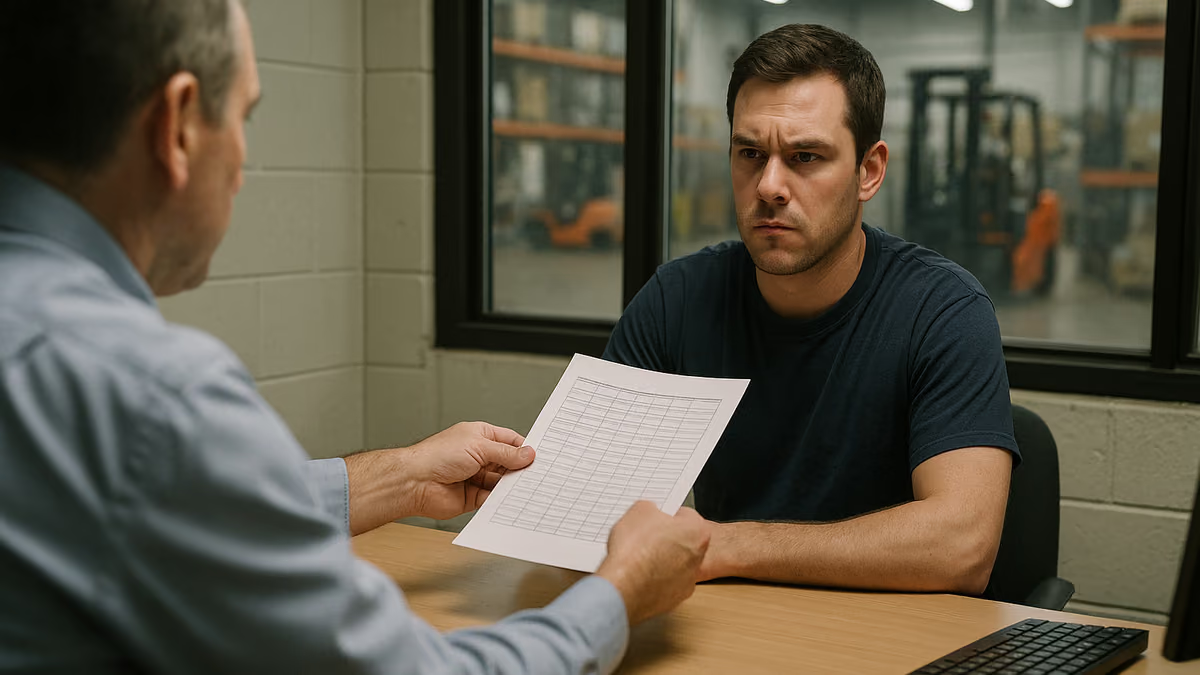
Take a hypothetical. An order picker at a Ronkonkoma distribution warehouse with about 150 employees wakes up with a fever in flu season, texts the shift supervisor before the 6 a.m. start, and stays home two days. On the third day the picker gets a printout of the attendance record: two “occurrences,” a final warning, a demand for a doctor’s note, and a comment that next time the picker should find someone to cover the shift.
New York law answers most of that printout, the same way in Nassau, Suffolk and the rest of the State. New York City has its own, broader law, covered in our post on the 2026 changes to New York City sick leave. When a sick day turns into a write-up or a firing, the claim is retaliation, which our Long Island employer retaliation lawyer handles. This is general information, not advice about any one situation.
The short version
Every private employer in New York must give sick leave under Labor Law § 196-b: 40 or 56 hours a year depending on size, paid unless the employer has four or fewer employees and net income of $1 million or less. You can use it for your own illness or a family member's on an oral or written request, and no doctor's note can be required for fewer than three consecutive scheduled workdays or shifts. An employer may not penalize you for using it, and Labor Law § 215 counts an attendance point for a legally protected absence that could lead to discipline as retaliation. Unpaid sick leave is a Department of Labor complaint. Retaliation is a lawsuit for damages, within two years.
What New York’s sick leave law gives you
Labor Law § 196-b starts with a command: “Every employer shall be required to provide its employees with sick leave.” The size of the employer sets the hours and whether they are paid, and the card below has the numbers. The uses are broad: “a mental or physical illness, injury, or health condition of such employee or such employee’s family member, regardless of whether such illness, injury, or health condition has been diagnosed or requires medical care,” plus diagnosis, treatment and preventive care. A flu you ride out at home with fluids and rest qualifies, and so does a child’s fever.
It’s broad. Every private employer in New York has to give sick leave. So if you own a landscaping business and you employ one person to mow lawns, this applies to you. If you work for a private hospital, this applies to you. It doesn’t matter how many hours you work per week. You earn an hour of sick leave for every 30 hours that you work. The size of the employer, or if the employer is very small, their income, determines whether it’s paid and how much, not whether you get it.
Free Case Review
Tell us what happened at work — free case review
Employment claims have filing deadlines
Details received. The fastest next step is a call.
Don't wait for a callback. Call now and a real person takes your information: our office during business hours, and our intake line after hours and on weekends, answered 24/7.
Call (631) 823-7793 NowFree consultation · Nothing is filed or shared until you decide
Can't call right now? We'll reach out during business hours.
Your information is confidential. Submitting this form does not create an attorney-client relationship.
Since January 1, 2025, a pregnant employee also has “twenty hours of paid prenatal personal leave during any fifty-two week calendar period,” on top of sick leave. If you work for a private business on Long Island, you have sick leave; the real questions are how many hours, and whether you have used them.
The card puts the rules on one page.
At a glance
Calling out sick in New York: the rules in Labor Law § 196-b and 12 NYCRR 196-1.3
Private employers outside New York City. New York City employees have the City's protected time off law in addition.
- Who is covered
- All private-sector employees, including part-time and overtime-exempt employees; federal, state and local government employees are not covered (NYS DOL).
- How much
- 4 or fewer employees: up to 40 hours a year, unpaid, or paid if the employer's net income in the previous tax year was over $1 million. 5 to 99 employees: up to 40 paid hours. 100 or more: up to 56 paid hours. § 196-b(1).
- How you earn it
- At least one hour for every 30 hours worked, from the start of employment; unused hours carry over, but the employer may cap use at 40 or 56 hours a year. § 196-b(3), (6).
- What it covers
- Your own or a family member's illness, injury or health condition, diagnosed or not; diagnosis, care, treatment and preventive care; safe leave. § 196-b(4).
- How you ask
- An oral or written request. The Department of Labor says the law sets no notice period beyond a request before the leave is used, and an employer may not make you find a replacement or work from home instead. § 196-b(4)(a); NYS DOL FAQ.
- Doctor's notes
- None may be required for leave of fewer than three consecutive previously scheduled workdays or shifts. For three or more, only an attestation of need, amount of leave and return date, or your own attestation; never the diagnosis, and never at your cost. 12 NYCRR 196-1.3; § 196-b(5)(a).
- Prenatal leave
- 20 paid hours in any 52-week period, on and after January 1, 2025, in addition to sick leave, taken by the hour. § 196-b(4-a).
- Your job when you return
- The same position, pay and other terms and conditions. § 196-b(10).
- Punishment for using it
- Barred "consistent with" Labor Law § 215, which treats any demerit, occurrence or point for a legally protected absence that could lead to discipline as retaliation. § 196-b(7); § 215(1)(a)(viii).
Doctor’s notes, notice and what your employer may ask
The statute requires leave “upon the oral or written request of an employee.” A text to the supervisor before the shift is a request. The Department of Labor says the law has “no specified notice or time period requirement” beyond a request before the leave is used. On finding coverage, it is direct: “So long as an employee is using the sick leave for one of the reasons prescribed under the law, an employer may not require any additional preconditions.”
Section 196-b does not mention doctor’s notes. The Department’s regulation does: “An employer may not require medical or other verification in connection with sick leave that lasts less than three consecutive previously scheduled workdays or shifts.” For a longer absence, the employer may ask for a provider’s attestation of the need, the amount of leave and a return date, or your own attestation. It may not require the diagnosis, and it may not make you pay for the note.
Two limits run the other way. The Department says an employer may discipline an employee “who uses leave for purposes other than those provided for under the law, or who lies to their employer in connection with taking such leave.” And the statute protects the rights “afforded under this section”; once the forty or fifty-six hours are used, other laws decide whether an absence is protected. Consequently, for a two-day flu, tell the supervisor you are sick, do not volunteer the diagnosis, and do not pay for a note nobody can require.
Can you be written up, given points or fired for a sick day?
No, not for sick leave the law protects. Section 196-b(7) provides that no employer “shall discharge, threaten, penalize, or in any other manner discriminate or retaliate against any employee because such employee has exercised their rights afforded under this section, including, but not limited to, requesting sick leave or paid prenatal leave and using sick leave or paid prenatal leave, consistent with the provisions of section two hundred fifteen of this chapter.”
Labor Law § 215 is where attendance systems come in. It bars retaliation “because such employee has used any legally protected absence pursuant to federal, local, or state law,” and it defines retaliation to include “assessing any demerit, occurrence, any other point, or deductions from an allotted bank of time, which subjects or could subject an employee to disciplinary action.” A point that moves you toward a final warning is the conduct the statute names. It does not have to be a firing.
The same section protects a complaint the employee “reasonably and in good faith” believes is about a Labor Law violation, and the complaint “need not make explicit reference to any section.” Telling a supervisor that a one-day doctor’s-note rule is illegal can be a protected complaint.
In practice, the occurrences on the Ronkonkoma printout, the final warning built on them, and any firing that follows are retaliation questions, and the dates will decide them.
Which parts go to the Labor Department and which go to court
Unpaid or refused sick leave is enforced by the Department of Labor. Its guidance says a failure to provide sick leave “is equivalent to a failure to pay employee wages,” and can bring an order for the underpayment, 100 percent liquidated damages and civil penalties. The text of § 196-b does not say, in its own words, that an employee may sue in court to collect leave the employer refused. The Department’s guidance points employees to a complaint.
Retaliation is different. Under § 215(2), “An employee may bring a civil action in a court of competent jurisdiction” within two years, for reinstatement or front pay, “lost compensation and damages,” costs and fees, and liquidated damages of up to $20,000 that the court “shall award” to every employee aggrieved. A Department complaint tolls the two years while it is open, and the employee must serve notice on the Attorney General at or before the start of the action.
If you told a supervisor that the sick leave practice was illegal, or refused to go along with it, Labor Law § 740 applies as well. It protects an employee who discloses, or “objects to, or refuses to participate in,” a practice the employee “reasonably believes is in violation of law, rule or regulation,” and it adds a jury, a civil penalty and “punitive damages, if the violation was willful, malicious or wanton.”
So you have to understand the difference between an administrative law and a law where you can sue for damages. If your employer didn’t pay you for taking a sick day, generally it’s a complaint to the Department of Labor and the issue is what are your damages? A day’s wages, maybe doubled. But if they gave you a point, wrote you up or fired you because you called out sick, that’s retaliation under 215, which is actionable. That’s always the big play with these laws. There’s a retaliation hook.
The cards set the three routes side by side.
Sick leave in New York
What goes to the Labor Department, and what goes to court
Administrative
Leave refused or not paid
- Labor Law § 196-b; a complaint to the Department of Labor.
- The Department treats it like unpaid wages: the underpayment, 100% liquidated damages, civil penalties up to double (NYS DOL FAQ; § 218).
- The statute's text does not itself provide a lawsuit to collect the leave.
Lawsuit for damages
Punished for a sick day or a complaint
- Labor Law § 196-b(7) and § 215(1)(a)(viii): points, demerits, write-ups, discharge.
- Civil action within two years; reinstatement or front pay, lost compensation and damages, fees, and liquidated damages up to $20,000 that the court "shall award" (§ 215(2)(a)).
- Notice to the Attorney General at or before filing (§ 215(2)(b)). Not for State or municipal employees.
Lawsuit for damages
Fired for objecting to an illegal practice
- Labor Law § 740: disclosure to a supervisor or public body, or objecting or refusing to take part.
- Civil action within two years, with a jury; reinstatement or front pay, lost wages and benefits, fees, a civil penalty up to $10,000, punitive damages if willful, malicious or wanton (§ 740(4), (5)).
- Public employees: Civil Service Law § 75-b.
The first question after a write-up, then, is whether the write-up, the points or the firing followed the sick day.
When the flu runs longer: FMLA and Paid Family Leave
Sick leave covers a few days. A longer illness brings in the federal Family and Medical Leave Act: up to 12 workweeks of job-protected leave for “a serious health condition that makes the employee unable to perform the functions of the position,” generally at employers with 50 or more employees. The federal regulation is candid about flu season: “Ordinarily, unless complications arise, the common cold, the flu, ear aches, upset stomach” and similar conditions “do not meet the definition of a serious health condition.” Complications change that; an incapacity of “more than three consecutive, full calendar days” with continuing treatment is one route in. Where the FMLA applies, leave cannot “be counted under no fault attendance policies.”
New York Paid Family Leave does not pay for your own illness; it covers care for a family member’s serious health condition, bonding with a new child, and military family needs. Our guide to FMLA, Paid Family Leave and sick leave side by side covers who qualifies. When an illness outlasts the sick leave hours, ask in writing whether the absence counts as FMLA leave.
When the illness is a disability: the Human Rights Law
A two-day flu is a sick leave question. A condition that keeps you out past the sick leave hours may also be a disability question. The Human Rights Law defines disability broadly, including any impairment “demonstrable by medically accepted clinical or laboratory diagnostic techniques,” and Executive Law § 296(3)(a) makes it unlawful to “refuse to provide reasonable accommodations to the known disabilities” of an employee. The Division of Human Rights’ regulation says that, for a temporary disability, it can include “adjustments to work schedules for recovery,” with the employee’s “overall attendance record” one of the factors.
Asking for an accommodation is itself protected under § 296(7), and a Human Rights Law claim can go to the Division within three years or to court for damages, including punitive damages against a private employer. Our posts on attendance points for disability-related absences and forced medical leave in place of an accommodation cover both sides of that problem. The result: put the request in writing and call it a request for an accommodation.
You’ve got to document better. If you call out sick, send a text or an email to your supervisor in addition to making a phone call. Save the write-up, save the attendance record. Request a summary of your sick leave in writing; the employer has to give it to you within three business days. Keep everything in the file, not just in someone’s memory. The dates are going to matter.
Bring these to the first call
If you were written up or fired after calling out sick
- 1. The call-out messageThe text, email or app entry you sent, with the date and time.
- 2. The write-up, warning or termination letterAnd the attendance record or points printout it relies on.
- 3. Your sick leave balanceThe pay stub or the written summary of hours accrued and used; the employer must provide it within three business days of a request (§ 196-b(11)).
- 4. The handbook's sick leave and attendance policyThe version in effect on the day you called out.
- 5. Any complaint you madeAn email or message telling a supervisor or HR that the points or the note demand were not legal, and the answer.
Back to the warehouse in Ronkonkoma
The picker had sick leave: with 100 or more employees, the warehouse owes up to fifty-six paid hours a year. The text before the shift was the request. The warehouse could not demand a doctor’s note for two days out, or make the picker find coverage. The two occurrences are the points § 215 names, and a firing built on them is a retaliation lawsuit with a two-year clock. If the picker tells HR in writing that the points are illegal, a firing that follows can also be a § 740 claim.
Sources
- New York Labor Law § 196-b, Sick leave requirements
- New York Labor Law § 215, Penalties and civil action; prohibited retaliation
- New York Labor Law § 740, Retaliatory action by employers
- New York Labor Law § 218, Violations of certain provisions; civil penalties
- 12 NYCRR 196-1.3, Documentation (sick leave)
- New York State, Paid Sick Leave Eligibility and Information
- NYS Department of Labor, Paid Sick Leave FAQ
- New York Executive Law § 292, Definitions
- New York Executive Law § 296, Unlawful discriminatory practices
- New York Executive Law § 297, Procedure
- 9 NYCRR 466.11, Provision of reasonable accommodation by employers
- New York Workers’ Compensation Law § 201, Definitions (family leave)
- 29 U.S.C. § 2612, Leave requirement (FMLA)
- 29 C.F.R. § 825.113, Serious health condition
- 29 C.F.R. § 825.115, Continuing treatment
- 29 C.F.R. § 825.220, Protection for employees who request leave
- New York Civil Service Law § 75-b, Retaliatory action by public employers
If the write-up came after a sick day, the dates are the case. Our employment law practice handles the claim against the employer.
If you were written up, given points or fired after calling out sick, call (516) 750-0595 with the attendance record or the termination letter in hand, or request a free case review.
Legal Context
Why This Matters for Your Case
Employment law in New York provides some of the strongest worker protections in the nation. The New York State Human Rights Law (Executive Law §296) prohibits discrimination based on race, sex, age, disability, sexual orientation, gender identity, and other protected characteristics. The New York City Human Rights Law goes even further, applying a broader standard and covering more employers.
Federal protections under Title VII, the ADA, the ADEA, and the FLSA provide additional layers of protection. The Law Office of Jason Tenenbaum represents employees facing workplace discrimination, wrongful termination, wage theft, hostile work environments, and employer retaliation throughout Long Island, Nassau County, Suffolk County, and the five boroughs of New York City.
Whether your case involves EEOC filings, NYS Division of Human Rights complaints, or direct court action under CPLR Article 78, this article provides the expert legal analysis that workers and practitioners need to understand their rights and develop effective litigation strategies under current New York employment law.
About This Topic
New York Employment Law
New York has some of the strongest worker protections in the nation — from the NYC Human Rights Law to state-level whistleblower statutes. Whether you're dealing with discrimination, wage theft, wrongful termination, or hostile work environments, understanding your rights is the first step. Attorney Jason Tenenbaum represents employees across Long Island and NYC in federal and state employment claims.
99 published articles in Employment Law
Keep Reading
More Employment Law Analysis
Handed a Severance Agreement in New York? What to Check Before You Sign
A New York severance agreement trades money for a release. The 21 and 7 day rules, confidentiality limits, what no release can waive, and when to negotiate.
Nov 16, 2026
Final Paycheck in New York: When It Is Due, and Your Vacation and Commissions
Quit or fired in New York? Your last paycheck is due by the next regular payday. When unused vacation, commissions and deductions change the number.
Nov 13, 2026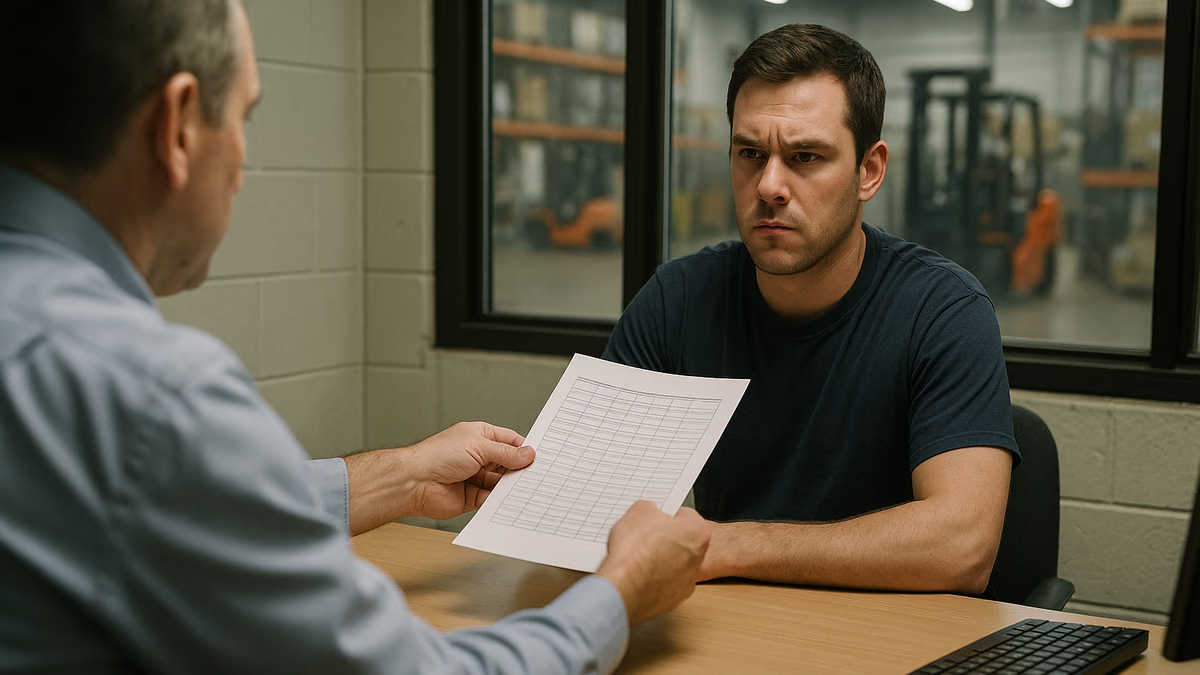
Can You Be Fired Because of Your Nationality or Immigration Status in New York?
New York bars firing someone for national origin, citizenship or immigration status. What the state, city and federal laws cover, the I-9 rules and deadlines.
Nov 6, 2026
Denied a Raise Because of Sex, Forced Out Over Age: NY Law
The EEOC's $65,000 Lely conciliation: a raise denied because of sex, an older worker pushed out. What federal and New York law give a Long Island employee.
Sep 22, 2026
Represalias Laborales en Nueva York: Cómo Defenderse
¿Lo castigaron en el trabajo por quejarse o reclamar sus derechos?
Jun 11, 2026
What is the PUMP Act?
Comprehensive guide to the PUMP Act: key provisions, employer compliance requirements, and workplace protections for nursing mothers under federal law.
Mar 25, 2025Frequently Asked Questions
Common Questions About This Topic
5 answers from the firm's New York personal-injury and employment-law practice. Click any question to expand.
Can my employer fire me for calling out sick in New York?
Not for sick leave the law protects. Labor Law § 196-b(7) bars an employer from discharging, threatening or penalizing an employee for requesting or using sick leave. The statute protects the leave it gives you, up to 40 or 56 hours a year depending on employer size.
Does my employer need a doctor's note when I call in sick in New York?
Not for a short absence. Under the Department of Labor's regulation, an employer may not require medical or other verification for sick leave of fewer than three consecutive previously scheduled workdays or shifts. For a longer absence it may ask only for an attestation of the need, the amount of leave and a return date, never the diagnosis.
Can I get attendance points for using sick time in New York?
No. Labor Law § 215 defines retaliation to include assessing "any demerit, occurrence, any other point, or deductions from an allotted bank of time" that could lead to discipline, for a legally protected absence. A point for a protected sick day is retaliation even if you are not fired.
I work on Long Island. Does the New York City sick leave law apply to me?
Not if you work in Nassau or Suffolk. Work in Nassau or Suffolk is covered by the State law, Labor Law § 196-b. New York City's protected time off law covers people who work in the City and adds rights the State law does not have.
What can I sue for if I was fired for using sick leave?
Under Labor Law § 215, a lawsuit within two years can recover reinstatement or front pay, lost compensation and damages, attorney's fees, and liquidated damages of up to $20,000. If you objected to an illegal practice first, § 740 adds a jury and punitive damages for a willful violation.
Was this article helpful?
Disclaimer: This article is published by the Law Office of Jason Tenenbaum, P.C. for informational and educational purposes only. It does not constitute legal advice, and no attorney-client relationship is formed by reading this content. The legal principles discussed may not apply to your specific situation, and the law may have changed since this article was last updated.
New York law varies by jurisdiction — court decisions in one Appellate Division department may not be followed in another, and local court rules in Nassau County Supreme Court differ from those in Suffolk County Supreme Court, Kings County Civil Court, or Queens County Supreme Court. The Appellate Division, Second Department (which covers Long Island, Brooklyn, Queens, and Staten Island) and the Appellate Term (which hears appeals from lower courts) each have distinct procedural requirements and precedents that affect litigation strategy.
If you need legal help with a employment law matter, contact our office at (516) 750-0595 for a free consultation. We serve clients throughout Long Island (Huntington, Babylon, Islip, Brookhaven, Smithtown, Riverhead, Southampton, East Hampton), Nassau County (Hempstead, Garden City, Mineola, Great Neck, Manhasset, Freeport, Long Beach, Rockville Centre, Valley Stream, Westbury, Hicksville, Massapequa), Suffolk County (Hauppauge, Deer Park, Bay Shore, Central Islip, Patchogue, Brentwood), Queens, Brooklyn, Manhattan, the Bronx, Staten Island, and Westchester County. Prior results do not guarantee a similar outcome.