Key Takeaway
Comprehensive analysis of bus accident causes, legal implications, and prevention strategies. Learn key factors and solutions. #busaccidents
This article is part of our ongoing bus accidents coverage, with 3 published articles analyzing bus accidents issues across New York State. Attorney Jason Tenenbaum brings 24+ years of hands-on experience to this analysis, drawing from his work on more than 1,000 appeals, over 100,000 no-fault cases, and recovery of over $100 million for clients throughout Nassau County, Suffolk County, Queens, Brooklyn, Manhattan, and the Bronx. For personalized legal advice about how these principles apply to your specific situation, contact our Long Island office at (516) 750-0595 for a free consultation.

Bus accidents destroy lives and raise hard questions about public transit safety. This guide looks at what causes bus accidents, how they affect victims, and the legal options available.
Common Causes of Bus Accidents
Driver-Related Factors
Fatigue is a top cause of bus accidents. Tired drivers think slower and react later. Poor rest or demanding schedules lead to bad calls behind the wheel. Drug and alcohol use makes these risks far worse. The result is danger for passengers and other drivers alike.
Vehicle Maintenance Issues
Mechanical failures often cause bus accidents. Faulty brakes, worn tires, and engine problems can turn a routine trip into a crisis. Bus companies must follow strict upkeep schedules to catch issues early. Small problems left unfixed can grow into major safety threats.
Environmental Challenges
Bad weather tests even skilled bus drivers. Rain-slicked roads reduce grip. Snow and ice demand extra vehicle control. Heavy fog cuts visibility to dangerous levels. Drivers must adapt fast. These conditions make it much harder to handle large passenger vehicles.
Free Consultation · No Fee Unless We Win
Does this apply to your situation?
Every case is different. Get a free, confidential case review from an experienced attorney who can tell you exactly where you stand.
Infrastructure Deficiencies
Deteriorating roads, missing guardrails, and confusing signage create treacherous conditions. Local governments bear responsibility for maintaining safe transit corridors. When infrastructure falls short, even careful drivers face elevated accident risks.
The Ripple Effects of Bus Accidents
Personal Toll
Bus accidents leave deep scars, both visible and hidden. Survivors often face severe physical injuries like broken bones and spinal damage. The mental toll can be just as bad. Many victims develop anxiety, depression, or PTSD. These mental health challenges often last long after physical wounds heal.
Financial Consequences
The costs go far beyond the first hospital bill. Victims face ongoing rehab, lost wages, and sometimes lifetime care expenses. Legal fights drain money from everyone involved. Bus companies deal with higher insurance rates, lawsuit costs, and lost business from bad press.
Community Impact
Major bus accidents shake public trust in mass transit. Cities often overhaul their transit policies in response. Communities push for better safety measures. These crashes reshape urban planning and shape how public transit develops.
Legal Complexities
Establishing Fault
Figuring out who is at fault in a bus accident takes careful work. Several parties may share the blame, including:
- Bus operators
- Transportation companies
- Maintenance providers
- Vehicle manufacturers
- Government entities responsible for road conditions
Lawyers must gather evidence from many places: camera footage, witness statements, maintenance logs, and expert testimony. Understanding bus accident legal issues is important for everyone involved.
Victim Rights
People harmed in bus accidents hold specific legal entitlements. They may seek compensation for:
- Medical treatment costs
- Income loss
- Pain and suffering
- Property damage
- Long-term care requirements
Skilled legal representation helps victims navigate complex claims processes and secure fair compensation.
Regulatory Landscape
Bus operations fall under strict federal and state oversight. Recent legislative changes strengthen safety requirements and clarify liability standards. These regulations set clear expectations for:
- Driver qualification
- Vehicle maintenance
- Operating procedures
- Safety equipment
- Insurance coverage
Prevention Strategies
Technology Solutions
Modern safety systems help prevent bus accidents. Advanced features include:
- Forward collision warnings
- Electronic stability control
- Automatic emergency braking
- Driver monitoring systems
- Lane departure alerts
These technologies act as additional safety nets, supporting driver awareness and reaction time.
Enhanced Training Programs
Professional development remains critical for bus operators. Effective training programs cover:
- Defensive driving techniques
- Emergency response procedures
- Weather adaptation strategies
- Passenger management
- Safety protocol compliance
Regular skill assessments help maintain high safety standards.
Policy Improvements
Strategic policy changes can reduce accident frequency. Key focus areas include:
- Stricter licensing requirements
- Mandatory rest periods
- Regular vehicle inspections
- Enhanced safety equipment standards
- Improved road maintenance protocols
Moving Forward
Preventing bus accidents requires coordinated effort from multiple stakeholders. Transportation companies must prioritize safety over profits. Government agencies should enforce regulations consistently. Communities need to support infrastructure improvements.
The legal system plays a crucial role in maintaining accountability and compensating victims. As technology advances and safety standards evolve, the transportation industry must adapt to protect passengers and other road users.
Knowing what causes bus accidents and how the law works helps everyone push for safer public transit. With better prevention, training, and accountability, we can cut down on these devastating crashes.
Additional Resources
For deeper understanding of bus safety and accident prevention:
- NHTSA guidelines and statistics
- FMCSA regulations and updates
- State transportation department resources
- Transportation safety research
- Legal precedent databases
For a more detailed explanation on bus accidents, check out the video below:
Related Articles
Legal Context
Why This Matters for Your Case
Personal injury law in New York is governed by a complex web of statutes, case law, and procedural rules that differ from most other states. The statute of limitations for most personal injury claims is three years under CPLR 214(5), but claims against municipalities require a Notice of Claim within 90 days. Motor vehicle accident victims must meet the serious injury threshold under Insurance Law §5102(d) before they can recover pain and suffering damages.
The Law Office of Jason Tenenbaum has recovered over $100 million for injured clients across Long Island, Nassau County, Suffolk County, Queens, Brooklyn, Manhattan, and the Bronx. With 24+ years of trial and appellate experience, more than 1,000 appeals written, and 2,600+ published legal articles, Jason Tenenbaum provides the authoritative legal analysis that practitioners and injury victims need to understand their rights.
This article reflects real courtroom experience and a deep understanding of how New York courts actually evaluate personal injury claims — from the initial filing through discovery, summary judgment, trial, and appeal.
Keep Reading
More Bus Accidents Analysis
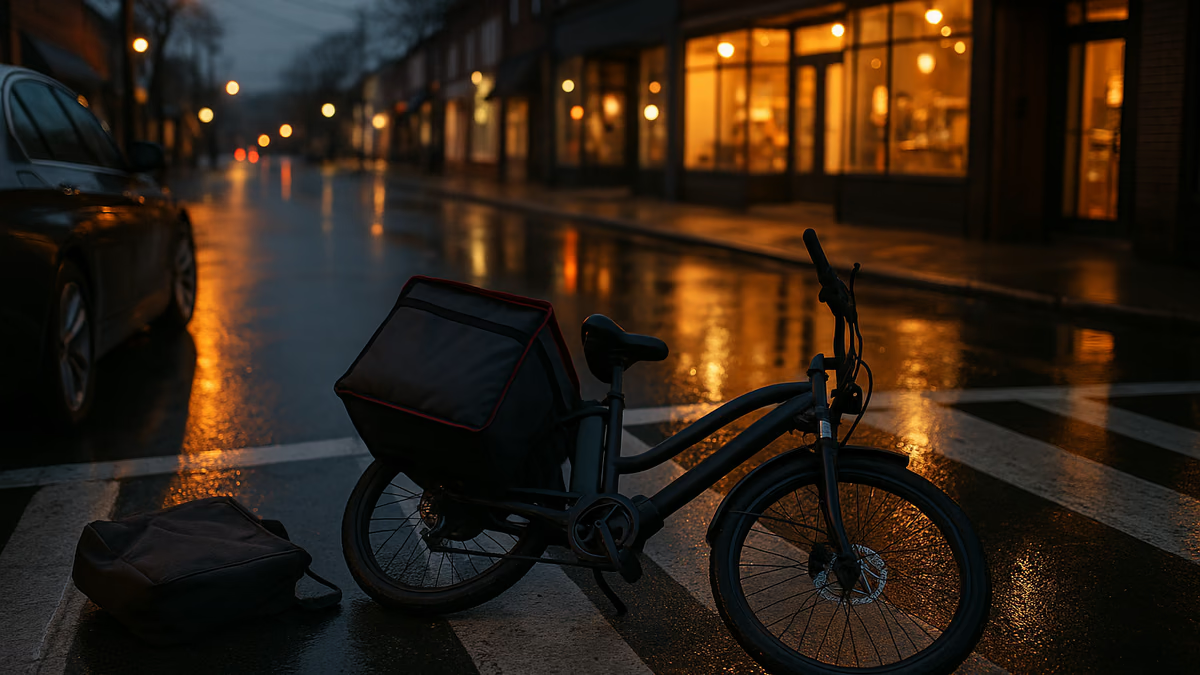
Hit by an Illegal E-Moto in New York? Who Pays When It Was Sold as an E-Bike
A device sold as an e-bike that exceeds New York's limits is a motor vehicle. Who pays the person it hits, what the seller faces, and what the owner risks.
Oct 25, 2026NYC's Pending E-Bike Bills: What They Would Change for People Hurt in a Crash
NYC heard 23 e-bike and delivery bills on September 30, 2026. What each text would change for hurt pedestrians and riders, and the law that applies today.
Oct 21, 2026
Speeding Accident Settlement in New York: What Your Case Is Worth
If you were injured by a speeding driver in New York, your case may be worth more than you think.
Apr 4, 2026
Best Personal Injury Lawyer on Long Island (2026): How to Choose Among Top Attorneys
How to choose the best personal injury lawyer on Long Island: nine criteria, why local court knowledge wins cases, and Jason Tenenbaum's take on national firms.
Apr 24, 2025
Cómo elegir un abogado de accidentes de tráfico
Guía completa para elegir un abogado de accidentes automovilísticos en Long Island.
Sep 12, 2024
Mann v Mezuyon: Court of Appeals Holds Industrial Code §23-4.2(k) Too General for Labor Law §241(6)
Mann v Mezuyon (NY Ct App, May 26, 2026): Industrial Code 23-4.2(k) too general to support Labor Law 241(6). What the 4-3 ruling changes in construction cases.
Jun 16, 2026Was this article helpful?
Disclaimer: This article is published by the Law Office of Jason Tenenbaum, P.C. for informational and educational purposes only. It does not constitute legal advice, and no attorney-client relationship is formed by reading this content. The legal principles discussed may not apply to your specific situation, and the law may have changed since this article was last updated.
New York law varies by jurisdiction — court decisions in one Appellate Division department may not be followed in another, and local court rules in Nassau County Supreme Court differ from those in Suffolk County Supreme Court, Kings County Civil Court, or Queens County Supreme Court. The Appellate Division, Second Department (which covers Long Island, Brooklyn, Queens, and Staten Island) and the Appellate Term (which hears appeals from lower courts) each have distinct procedural requirements and precedents that affect litigation strategy.
If you need legal help with a bus accidents matter, contact our office at (516) 750-0595 for a free consultation. We serve clients throughout Long Island (Huntington, Babylon, Islip, Brookhaven, Smithtown, Riverhead, Southampton, East Hampton), Nassau County (Hempstead, Garden City, Mineola, Great Neck, Manhasset, Freeport, Long Beach, Rockville Centre, Valley Stream, Westbury, Hicksville, Massapequa), Suffolk County (Hauppauge, Deer Park, Bay Shore, Central Islip, Patchogue, Brentwood), Queens, Brooklyn, Manhattan, the Bronx, Staten Island, and Westchester County. Prior results do not guarantee a similar outcome.