
Key Takeaway
Descubra cuánto tiempo puede durar una demanda laboral en Nueva York, desde la presentación inicial hasta la resolución final, con factores que afectan los plazos.
This article is part of our ongoing employment law coverage, with 58 published articles analyzing employment law issues across New York State. Attorney Jason Tenenbaum brings 24+ years of hands-on experience to this analysis, drawing from his work on more than 1,000 appeals, over 100,000 no-fault cases, and recovery of over $100 million for clients throughout Nassau County, Suffolk County, Queens, Brooklyn, Manhattan, and the Bronx. For personalized legal advice about how these principles apply to your specific situation, contact our Long Island office at (516) 750-0595 for a free consultation.
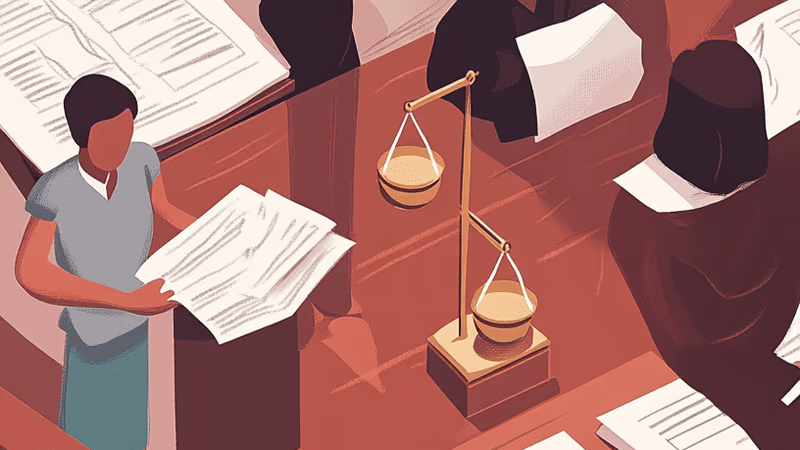
¿Cuánto tiempo dura una demanda laboral ? Las disputas laborales representan aproximadamente el 15% de los casos civiles en los tribunales federales anualmente. Si ha sufrido discriminación, acoso o despido injustificado en el trabajo, probablemente se pregunte cuánto tiempo podría tardar en resolverse su caso. La respuesta depende de innumerables variables, desde la complejidad de su situación hasta la acumulación de casos en los tribunales. Si bien cada caso tiene su propio cronograma, comprender el proceso general puede ayudarle a prepararse mental y financieramente para el futuro.
En el bufete de abogados de Jason Tenenbaum, PC, hemos ayudado a muchos trabajadores de Long Island con sus disputas laborales . Una pregunta recurrente es: “¿Cuándo terminará esto?”. Aunque los plazos varían considerablemente, analizaremos lo que suele ocurrir en cada etapa y los factores que podrían acelerar o retrasar los procesos.
Iniciando el proceso
Evaluación y presentación de casos
El primer paso es reunirse con un abogado laboral para revisar su situación. La mayoría de las personas programan esta consulta semanas después del incidente, ya sea un despido repentino, acoso o impago de salarios. Un abogado experto le explicará si tiene motivos para presentar una reclamación y le indicará posibles estrategias.
Si sigue adelante, probablemente tendrá que presentar una queja ante una agencia gubernamental antes de acudir a los tribunales. En casos de discriminación, esto suele implicar presentar una queja ante la Comisión para la Igualdad de Oportunidades en el Empleo (EEOC) o la División de Derechos Humanos del Estado de Nueva York. Estas agencias investigan las denuncias en virtud de leyes como la Ley de Derechos Civiles o la Ley de Estadounidenses con Discapacidades.
La revisión de la EEOC suele concluir en un plazo de seis meses, aunque los plazos varían. Si deciden no proseguir con su caso, emitirán una carta de “derecho a demandar”. Tendrá entonces 90 días para presentar la demanda ante un tribunal federal. Redactar y presentar la demanda formal suele tardar unas semanas, mientras su abogado elabora el marco legal para sus reclamaciones.
Respuesta del empleador
Una vez presentada la demanda, debe notificar oficialmente al empleador (el demandado). Este paso, llamado “notificación del proceso”, generalmente demora de 1 a 3 semanas. A partir de entonces, el empleador tiene de 21 a 30 días para responder, dependiendo de si el caso se tramita en un tribunal federal o estatal.
Los empleadores suelen responder de una de dos maneras:
- Responden a la queja : rechazan algunas o todas las acusaciones, pero aceptan continuar.
- Moción de desestimación : Argumentan que el caso carece de mérito legal, incluso si todos los hechos presentados son verdaderos.
Las mociones de desestimación añaden de 2 a 3 meses al plazo mientras ambas partes presentan sus argumentos y esperan la decisión del juez. Si la moción no prospera, el caso avanza. Si prospera, podría tener la oportunidad de enmendar su demanda o apelación.
Responda nuestro cuestionario de 3 preguntas sobre casos laborales:
Recopilación de pruebas: la fase de descubrimiento
¿Qué sucede durante el descubrimiento?
El descubrimiento —la etapa de recopilación de pruebas— suele ser la parte más larga de un juicio. Ambas partes intercambian documentos, responden preguntas escritas y realizan entrevistas bajo juramento. ¿El objetivo? Evitar sorpresas en el juicio revelando todas las cartas con anticipación.
En casos laborales, el descubrimiento de pruebas suele durar entre 6 y 12 meses. Los casos complejos (como los que requieren varios testigos o años de registros de nóminas) pueden prolongarse más. Las disputas sobre qué información debe compartirse suelen provocar retrasos, lo que requiere la intervención judicial.
Componentes clave del descubrimiento
- Solicitudes de documentos : Los empleadores podrían solicitar correos electrónicos, expedientes personales o evaluaciones de desempeño. Usted podría solicitar políticas internas o comunicaciones relacionadas con sus reclamaciones.
- Preguntas escritas (interrogatorios) : Ambas partes responden preguntas sobre el caso bajo pena de perjurio.
- Declaraciones : Entrevistas presenciales donde los testigos responden preguntas bajo juramento. Su abogado podría tomar declaración a supervisores, personal de recursos humanos o compañeros de trabajo que presenciaron eventos clave.
- Solicitudes de admisión : pedirle a la otra parte que confirme o niegue hechos específicos para limitar las cuestiones en disputa.
¿Por qué ocurren los retrasos?
Los tribunales establecen plazos para la presentación de pruebas, pero las prórrogas son frecuentes. Los empleadores podrían demorarse en la presentación de los registros, o las partes podrían discrepar sobre la confidencialidad. Desde 2020, los retrasos judiciales relacionados con la pandemia han alargado muchos casos, aunque las audiencias virtuales han aliviado algunos cuellos de botella.
Negociaciones de conciliación y mociones previas al juicio
El obstáculo del juicio sumario
Tras el descubrimiento de pruebas, cualquiera de las partes puede presentar una moción de juicio sumario , argumentando que los hechos no respaldan el caso de la otra parte. Los empleadores suelen utilizar esta táctica con la esperanza de evitar el juicio. Los jueces conceden estas mociones con mayor frecuencia en casos laborales que en otras disputas civiles.
Esta fase dura de 2 a 4 meses. Si la moción prospera, el caso termina (a menos que se apele). Si se deniega, el caso pasa a juicio, pero las negociaciones para llegar a un acuerdo suelen intensificarse en esta fase.
Cuando se producen los acuerdos
Más del 95% de los casos laborales se resuelven antes del juicio. El plazo varía:
- Acuerdos tempranos : ocurren cuando la evidencia favorece fuertemente a un lado.
- Acuerdos de último momento : ocurren a medida que se acerca el juicio y ambas partes sopesan los riesgos.
La mediación —una negociación estructurada con un mediador neutral— se ha convertido en algo habitual. Muchos tribunales la exigen antes del juicio, lo que prolonga el plazo entre uno y dos meses.
Ir a juicio
Preparándose para el tribunal
Si las negociaciones para llegar a un acuerdo fracasan, comienzan los preparativos del juicio. Durante un período de 1 a 3 meses, los abogados:
- Testigos del entrenador
- Organizar la evidencia
- Borradores de declaraciones de apertura y cierre
- Planificar estrategias de selección del jurado
Los jueces celebran conferencias previas al juicio para resolver disputas sobre pruebas y establecer reglas básicas.
Duración del ensayo
La mayoría de los periodos de prueba duran entre 3 y 10 días. Factores que influyen en la duración:
- Número de testigos
- Complejidad de las reclamaciones (por ejemplo, testimonio de expertos técnicos)
- Juicio con jurado vs. juicio ante el tribunal
- Peculiaridades en la programación de los tribunales
Los retrasos posteriores a la pandemia implican que algunos tribunales tardan más de un año en programar los juicios después de declarar que un caso está “listo”.
Después del veredicto
Apelaciones y ejecución
Las partes perdedoras suelen apelar, lo que añade entre uno y tres años. El proceso implica:
- Presentar un recurso de apelación en el plazo de 30 días
- Preparación de actas del juicio
- Presentación de argumentos escritos
- Posibles argumentos orales
Incluso si gana, el cobro del pago puede demorarse. Algunos empleadores retrasan el proceso mediante transferencias de activos o maniobras legales, lo que requiere órdenes de embargo o gravámenes.
Qué afecta tu cronograma
- Complejidad del caso : Las demandas con múltiples demandantes o cuestiones jurídicas novedosas toman más tiempo.
- Retrasos judiciales : los tribunales urbanos y los atrasos causados por la pandemia ralentizan las cosas.
- Flexibilidad de solución : la voluntad de llegar a acuerdos acelera la resolución.
- Eficiencia de los abogados : los abogados que cumplen los plazos y evitan errores procesales mantienen los casos avanzando.
Casos reales, cronologías reales
Si bien la confidencialidad impide dar detalles, esto es lo que hemos visto:
- Resolución rápida : Un caso de acoso se resolvió en 6 meses gracias a pruebas claras, como textos y relatos de testigos.
- Largo recorrido : Un caso de discriminación por edad contra una gran corporación tomó 3 años, involucró más de 20 declaraciones y una moción de juicio sumario fallida.
- Solución administrativa : Un reclamo salarial se resolvió a través de investigaciones del departamento de trabajo en 9 meses sin presentar una demanda.
Conclusiones clave:
- La evidencia sólida acelera los resultados
- Los grandes empleadores a menudo prolongan las batallas
- La preparación evita retrasos
Reflexiones finales
La mayoría de las demandas laborales se resuelven en un plazo de 1 a 3 años. Los casos complejos o las apelaciones pueden prolongar este proceso. Si bien el proceso requiere paciencia, la asesoría legal experta ayuda a gestionar el estrés y a elaborar estrategias eficaces.
Si está considerando emprender acciones legales, comuníquese con el bufete de abogados de Jason Tenenbaum, PC, al 516-750-0595 o a admission@jtnylaw.com. Le ayudaremos a evaluar sus opciones y a proteger sus derechos en cada paso del proceso.
Este artículo ofrece información general, no asesoramiento legal. Consulte con un abogado sobre su situación específica.
¿Necesitar ayuda?
- El bufete de abogados de Jason Tenenbaum, PC: 516-750-0595
- Comisión para la Igualdad de Oportunidades en el Empleo (EEOC): www.eeoc.gov
- Derechos humanos del estado de Nueva York: dhr.ny.gov
Para obtener más información sobre cuánto duran los juicios, consulte nuestro video:
Watch: How Long Does a Lawsuit Take?
Legal Context
Why This Matters for Your Case
Employment law in New York provides some of the strongest worker protections in the nation. The New York State Human Rights Law (Executive Law §296) prohibits discrimination based on race, sex, age, disability, sexual orientation, gender identity, and other protected characteristics. The New York City Human Rights Law goes even further, applying a broader standard and covering more employers.
Federal protections under Title VII, the ADA, the ADEA, and the FLSA provide additional layers of protection. The Law Office of Jason Tenenbaum represents employees facing workplace discrimination, wrongful termination, wage theft, hostile work environments, and employer retaliation throughout Long Island, Nassau County, Suffolk County, and the five boroughs of New York City.
Whether your case involves EEOC filings, NYS Division of Human Rights complaints, or direct court action under CPLR Article 78, this article provides the expert legal analysis that workers and practitioners need to understand their rights and develop effective litigation strategies under current New York employment law.
About This Topic
New York Employment Law
New York has some of the strongest worker protections in the nation — from the NYC Human Rights Law to state-level whistleblower statutes. Whether you're dealing with discrimination, wage theft, wrongful termination, or hostile work environments, understanding your rights is the first step. Attorney Jason Tenenbaum represents employees across Long Island and NYC in federal and state employment claims.
58 published articles in Employment Law
Keep Reading
More Employment Law Analysis

How to Negotiate with an Insurance Company After a Car Accident in New York
Insurance companies have teams of adjusters trained to minimize your payout. Learn the exact negotiation tactics adjusters use against you — and how to counter them — after a car...
Apr 4, 2026
Uninsured and Underinsured Motorist Claims on Long Island: A Complete Guide
Hit by an uninsured driver on Long Island? You have options. Learn how UM/UIM coverage works in New York, how to file a claim, and how to maximize your recovery when the at-fault...
Apr 4, 2026
¿Vale la pena contratar un abogado después de un accidente automovilístico?
¿Contratar abogado tras accidente? Guía completa sobre sistema sin culpa NY, cuándo necesita representación legal y cómo proteger sus derechos en Long Island.
May 12, 2024
Workers Compensation Lawyer Suffolk County | Expert NY Legal Help
Expert workers compensation lawyer in Suffolk County. Skilled NY legal representation for work injuries, disability claims, and denied benefits. Call 516-750-0595.
Feb 14, 2026How Long Does an Employment Lawsuit Take?
How long does an employment lawsuit take in New York? Get a realistic timeline from filing through trial — plus what affects speed.
Mar 18, 2025
Wrongful Termination: Know Your Rights
Learn about wrongful termination in Long Island: legal protections, steps to take, and how to fight back against unfair dismissal.
Jan 7, 2025Common Questions
Frequently Asked Questions
What constitutes workplace discrimination in New York?
New York law prohibits employment discrimination based on protected characteristics including race, color, religion, sex, national origin, age, disability, sexual orientation, gender identity, marital status, military status, and domestic violence victim status. Both the New York State Human Rights Law (Executive Law §296) and the New York City Human Rights Law (Administrative Code §8-107) provide protections, with the city law offering broader coverage and more employee-friendly standards. Discrimination can occur in hiring, firing, promotions, compensation, and other terms and conditions of employment.
What should I do if I'm being harassed at work?
If you're experiencing workplace harassment, you should document every incident with dates, times, locations, witnesses, and details. Report the harassment through your employer's internal complaint process and keep copies of all written complaints. If internal reporting doesn't resolve the issue, you can file a complaint with the New York State Division of Human Rights, the NYC Commission on Human Rights, or the EEOC. Consulting an employment attorney early can help preserve your rights and identify the strongest legal strategy.
What protections exist against wrongful termination in New York?
New York is an at-will employment state, meaning employers can terminate employees for any lawful reason. However, termination is illegal if motivated by discrimination based on a protected class under the NY Human Rights Law (Executive Law §296) or in retaliation for protected activity such as filing a complaint, whistleblowing under Labor Law §740, or requesting reasonable accommodations. The NYC Human Rights Law provides even broader protections, including coverage for smaller employers.
What are my rights regarding unpaid wages in New York?
Under the New York Labor Law, employers must pay minimum wage (currently $16/hour in NYC and surrounding counties), overtime at 1.5 times the regular rate for hours over 40 per week, and all earned wages on regular paydays. Labor Law §198 allows employees to recover unpaid wages plus liquidated damages equal to 100% of the unpaid amount, along with attorney's fees. Claims can be filed with the NY Department of Labor or through a private lawsuit within six years.
How do I find the right attorney for my case in New York?
Look for an attorney who specializes in your specific area of need — personal injury, employment law, no-fault insurance, or medical malpractice. Check their track record, read client reviews, and schedule a consultation. In New York, most personal injury attorneys work on contingency, meaning you pay nothing unless they win your case.
Was this article helpful?

About the Author
Jason Tenenbaum, Esq.
Jason Tenenbaum is the founding attorney of the Law Office of Jason Tenenbaum, P.C., headquartered at 326 Walt Whitman Road, Suite C, Huntington Station, New York 11746. With over 24 years of experience since founding the firm in 2002, Jason has written more than 1,000 appeals, handled over 100,000 no-fault insurance cases, and recovered over $100 million for clients across Long Island, Nassau County, Suffolk County, Queens, Brooklyn, Manhattan, the Bronx, and Staten Island. He is one of the few attorneys in the state who both writes his own appellate briefs and tries his own cases.
Jason is admitted to practice in New York, New Jersey, Florida, Texas, Georgia, and Michigan state courts, as well as multiple federal courts. His 2,353+ published legal articles analyzing New York case law, procedural developments, and litigation strategy make him one of the most prolific legal commentators in the state. He earned his Juris Doctor from Syracuse University College of Law.
Disclaimer: This article is published by the Law Office of Jason Tenenbaum, P.C. for informational and educational purposes only. It does not constitute legal advice, and no attorney-client relationship is formed by reading this content. The legal principles discussed may not apply to your specific situation, and the law may have changed since this article was last updated.
New York law varies by jurisdiction — court decisions in one Appellate Division department may not be followed in another, and local court rules in Nassau County Supreme Court differ from those in Suffolk County Supreme Court, Kings County Civil Court, or Queens County Supreme Court. The Appellate Division, Second Department (which covers Long Island, Brooklyn, Queens, and Staten Island) and the Appellate Term (which hears appeals from lower courts) each have distinct procedural requirements and precedents that affect litigation strategy.
If you need legal help with a employment law matter, contact our office at (516) 750-0595 for a free consultation. We serve clients throughout Long Island (Huntington, Babylon, Islip, Brookhaven, Smithtown, Riverhead, Southampton, East Hampton), Nassau County (Hempstead, Garden City, Mineola, Great Neck, Manhasset, Freeport, Long Beach, Rockville Centre, Valley Stream, Westbury, Hicksville, Massapequa), Suffolk County (Hauppauge, Deer Park, Bay Shore, Central Islip, Patchogue, Brentwood), Queens, Brooklyn, Manhattan, the Bronx, Staten Island, and Westchester County. Prior results do not guarantee a similar outcome.